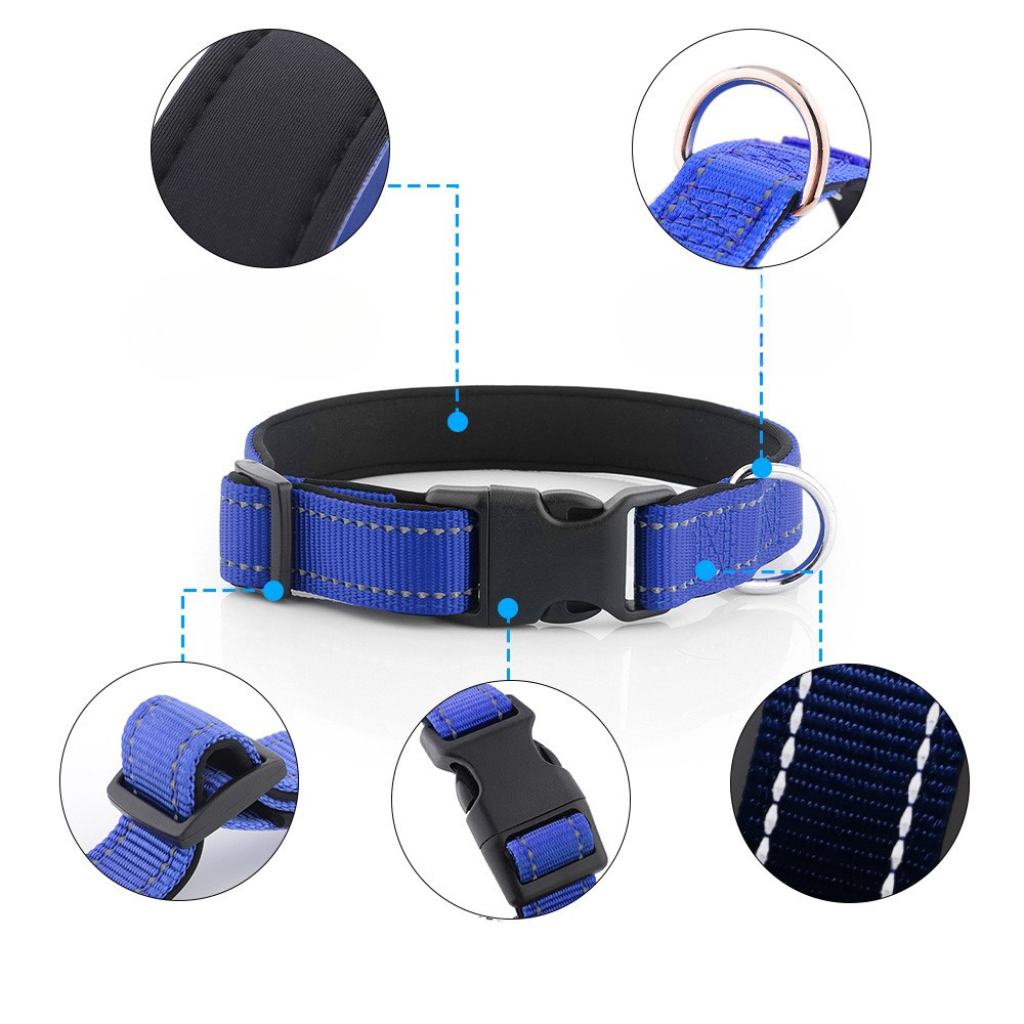
Behavioral Control Meets Market Demand in the Pet Industry
Excessive barking is one of the most common complaints among dog owners—and one of the hardest behaviors to manage. This has led to growing demand for practical, humane, and affordable solutions in the form of anti-bark collars. For both retailers and consumers, these devices offer a compelling mix of behavioral support and convenience.
As the global pet market matures, anti-bark collars have evolved to meet both functional needs and safety expectations. From simple sound-triggered models to advanced collars with multiple correction modes, the variety available today allows brands and buyers to match features with pet behavior, budget, and ethical considerations.
What Are Anti-Bark Collars?
Anti-bark collars are wearable devices designed to detect barking and deliver a corrective response to discourage the behavior. Unlike basic collars, they are equipped with sensors and microchips that interpret sound and/or vibration patterns associated with barking.
Most collars include adjustable sensitivity levels and correction modes, which may include:
- Sound Alerts
- Vibration Pulses
- Static Correction (mild, short electric stimulation)
- Ultrasonic Emissions
- Spray Dispensers (e.g., citronella)
The goal is not to punish but to interrupt the behavior, allowing for positive reinforcement to take place afterward.
Use Cases Across B2B and B2C Segments
Anti-bark collars are used by a broad range of pet owners and professionals. In the consumer market, they’re often purchased by first-time dog owners or those managing high-energy breeds in apartment settings.
In the B2B space, these collars have become a popular addition to the product catalogs of:
- E-commerce pet brands
- Behavioral equipment suppliers
- Pet training franchises
- Veterinary clinics and retail chains
- Distributors focused on smart pet gear
Their compact size, relatively low MOQ, and strong retail performance make them ideal for bundling or seasonal promotions as well.
Core Features to Compare
Sensory Detection Accuracy
Modern collars can distinguish barking from other sounds using dual recognition systems: vibration from the dog’s throat and decibel detection. Higher-end models reduce false triggers from nearby dogs or environmental noise.
Correction Modes & User Adjustability
Collars with multiple modes allow pet owners to choose non-static settings (sound or vibration) first. Adjustable intensity levels help tailor the experience based on dog size, sensitivity, and progress over time.
Rechargeable vs. Battery-Powered
Rechargeable lithium battery models are more eco-friendly and offer convenience for frequent use. Battery-powered versions are cost-effective for basic or backup use, especially in budget-oriented markets.
Collar Material and Fit
Comfort is a key factor—anti-bark collars should use soft yet durable materials such as TPU-coated nylon or padded polyester. Adjustable sizing ensures a secure fit across breeds.
Display and Smart Indicators
Some models include LED displays for mode settings and battery life. Others offer sound confirmation beeps or color-coded indicators, making them more intuitive for less experienced users.
Waterproof or Water-Resistant Ratings
Especially important for active dogs, waterproof collars (IP67 or higher) allow outdoor use without concern. Entry-level water-resistant models suit indoor-only use or dry-weather walking.
Types of Anti-Bark Collars by Market Position
| Type | Key Features | Market Segment |
|---|---|---|
| Basic Sound/Vibration | No static, low cost, one or two modes | Entry-level retail, online B2C |
| Multi-Mode Smart | Multiple modes, LCD screen, rechargeable | Mid-tier pet brands |
| Static + Vibration | Strong deterrent, used under supervision | Trainers, behavior correction |
| Waterproof Outdoor | Rugged design, IP67+, shockproof housing | Outdoor gear, sporting dogs |
| Gentle Spray Collars | Citronella-based, odor deterrent | Sensitive dogs, anti-static users |
Regulatory and Ethical Considerations
In some countries or regions, static correction collars are regulated or discouraged. When building an international catalog, it’s important to understand local laws and public sentiment.
For markets that limit static models, offering vibration-only or spray-based alternatives allows you to remain compliant without compromising sales potential.
Consumer Perception and Branding
While anti-bark collars were once viewed as controversial, improved technology and thoughtful design have helped reposition them as humane behavior tools. For B2C audiences, messaging should emphasize:
- Pet safety
- Adjustable settings
- Positive reinforcement compatibility
- Vet- and trainer-recommended use
Retailers and private-label buyers benefit from aligning the product with training programs, bundling options, and easy-to-understand packaging.